


Year-end is the busiest stretch on the commercial real estate calendar, and it’s also when 1031 exchange timelines get tricky. A little planning now can protect your tax deferral and open the door to your next investment.
If you’re thinking about selling a commercial property this year, here’s a question worth asking before you list: what’s your plan for the proceeds?
For many Las Vegas investors, the answer is a 1031 exchange. This strategy lets you defer capital gains tax by reinvesting your sale proceeds into another qualifying investment property. With retail vacancy near a 15-year low and steady demand across industrial and other asset classes, there’s no shortage of opportunity on the buy side. The investors who come out ahead are the ones who plan early.
The Basics, In Brief
A 1031 exchange applies to investment or business real estate, not a primary residence. A few essentials:
- You need a qualified intermediary (QI). A QI holds your sale proceeds so they never touch your hands. This needs to be arranged before your sale closes.
- Two clocks start at closing. You have 45 days to identify replacement property in writing, and 180 days to close on it.
- The clocks run at the same time. They aren’t back to back. If you identify property on day 45, you have 135 days left to close.
- Every day counts. Weekends and holidays are included, and these deadlines generally can’t be extended.
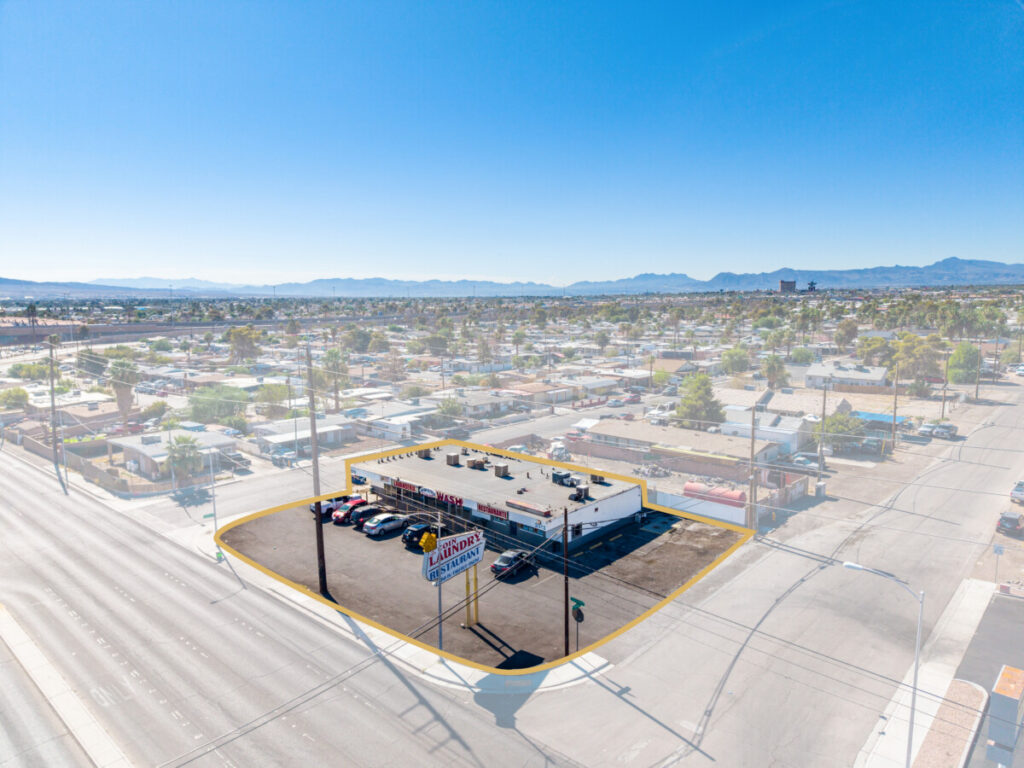
Property Feature: Aerial shot of 3513–3515 E. Charleston Blvd, a fully leased retail building for sale.
The Year-End Trap Many Investors Miss
Here’s the detail that catches people off guard. The 180-day period isn’t always a full 180 days. If your tax return due date, including extensions, arrives before day 180, your exchange period ends on the return due date instead.
For calendar-year taxpayers who sell late in the year, that can shorten the window considerably. A sale that closes after mid-October, for example, may run into an April tax filing deadline before the full 180 days have passed. The fix is straightforward: filing an extension on your tax return can preserve the full 180 days. But it’s a step you want to plan for before closing, not after.
Timing also matters because the holidays fall right in the middle of your 45-day identification window. Between year-end closings, travel, and office schedules, finding and vetting replacement property takes more effort than it does in other months. Starting early gives you room to work.
Note: Filing deadlines can vary depending on how your property is owned, so confirm your specific dates with your CPA.
Five Steps to Take Before You List
- Talk to your CPA and QI first. Set up the exchange before your sale closes. Your tax advisor can confirm your deadlines, and your QI can walk you through the process.
- Start shopping before you sell. The 45-day window is the hardest part of most exchanges. Investors who already know what they want to buy are far better positioned than those starting from scratch on day one.
- Understand your identification options. The most common approach is the three-property rule, which lets you identify up to three properties regardless of value. Other rules allow more properties under certain value limits. Your QI can help you choose the right approach.
- Always name backup properties. Deals can fall through because of financing, due diligence, or competing offers. A backup can be the difference between a completed exchange and a taxable sale.
- Decide on a tax extension up front. If you’re selling late in the year, work with your CPA to determine whether you’ll need one to keep the full 180 days.
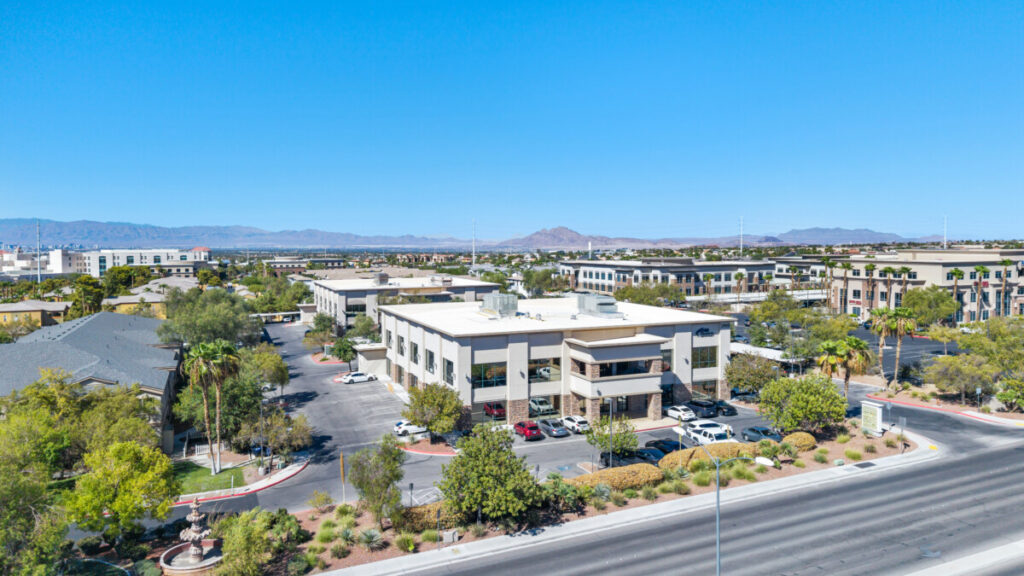
Property Feature: 2900 W Horizon Ridge Pkwy Suite 101 is a turnkey medical office suite currently for sale.
Why Las Vegas Is a Strong Place to Land
For investors looking for replacement property, Las Vegas offers a lot to like:
- Low retail vacancy. Well-located retail space is in demand, and tenants are competing for it.
- Industrial strength. E-commerce and logistics continue to drive demand across the valley.
- Multiple asset classes. Retail, industrial, office, and land all offer different ways to match your investment goals.
- A tax-friendly environment. Nevada has no state personal income tax, which appeals to investors relocating capital from higher-tax states. Federal taxes still apply, so speak with your tax advisor about your situation.
Whether you’re selling a Las Vegas property and looking to trade up, or an out-of-area investor searching for your next asset, the valley offers options at a range of price points and property types.
Common Mistakes to Avoid
- Waiting until after closing to plan. By then, the clock is already running.
- Identifying only one property. With no backup, one problem can end the exchange.
- Overlooking the tax return deadline. It’s easy to miss and expensive to fix.
- Chasing the tax benefit alone. The replacement property should still meet your long-term goals for income, growth, and risk.
- Going it alone. A good team of broker, CPA, and QI makes complicated timelines manageable.
Let’s Plan Your Next Move
The best 1031 exchanges start before the “For Sale” sign goes up. If you’re considering a sale, or you’re an investor looking for replacement property in Las Vegas, we’d love to talk through your timeline and goals.
Request a free property analysis to see what your property could be worth, and let’s start building your plan.
The Barashy Group | ofir@barashy.com | (702) 325-9673
This article is for informational purposes only and is not tax or legal advice. Please consult your CPA and qualified intermediary about your specific situation.