As we kick off 2026, the commercial real estate (CRE) landscape is entering a new phase of stabilization and opportunity, tempered by ongoing structural shifts across asset classes. For owners, investors, and occupiers, understanding these dynamics early in the year can make all the difference in strategic planning, deal timing, and portfolio positioning.
Below, we break down key shifts in demand, vacancy and rent trends, capital market sentiment and financing, and emerging opportunities shaping the first quarter and beyond.
Broad Market Outlook: From Resilience to Optimism
After a protracted period of uncertainty marked by elevated vacancies and constrained capital markets, major industry forecasts point to improving fundamentals in 2026. According to Cushman & Wakefield, optimism is building as economic growth stabilizes, debt markets reopen, and leasing momentum strengthens — especially for quality properties in desirable locations. Source
Industry forecasts also expect vacancy rates to plateau nationally in key sectors as demand steadies and new supply slows. These trends suggest that if 2025 was a test of resilience, 2026 may be the year that underlying fundamentals begin to reward proactive market participants. Source
Sector Trends to Watch in Q1 2026
Office: Still Adapting to a New Normal
Office space nationally continues to adjust to hybrid work models, with vacancy rates elevated compared to pre-pandemic levels. Mid-2025 data showed U.S. office vacancies climbing above 14% as tenants reassess space needs and employers refine return-to-office policies. Source
However, demand trends vary by location and building quality. Emerging net absorption and modest leasing rebounding — particularly in well-located suburban and Class A assets — suggest the sector is moving toward a new equilibrium. Source
Las Vegas office fundamentals reflect this recalibration as well. Vacancy is reported around the mid-teens, but desirable properties in strong submarkets continue to attract tenants and lease relatively quickly. Source
CRE leaders should watch for:
- Flight-to-quality dynamics (Class A gains vs. B/C languishing)
- Suburban office stability as tenants prioritize amenities and flexibility
- Continued conversions of underperforming offices into mixed-use or residential uses, where zoning allows

Property Feature: 2470 E Flamingo Rd is a ±3,772 RSF (±3,318 USF) office suitable for light medical uses.
Industrial & Logistics: Quality Still Wins
Industrial real estate remains one of the strongest segments even as vacancies have increased from historic lows. National data shows vacancies stabilizing near the high single digits, with rent growth persisting due to continued demand from logistics and distribution tenants. Source
Las Vegas industrial fundamentals echo this trend: while vacancy has ticked up, net absorption remains healthy, and rents have stayed at attractive levels compared with many national markets. Source
Leaders should focus on:
- Last-mile logistics hubs near population centers
- Opportunities created by slowing new deliveries, which may support tightening fundamentals later in 2026
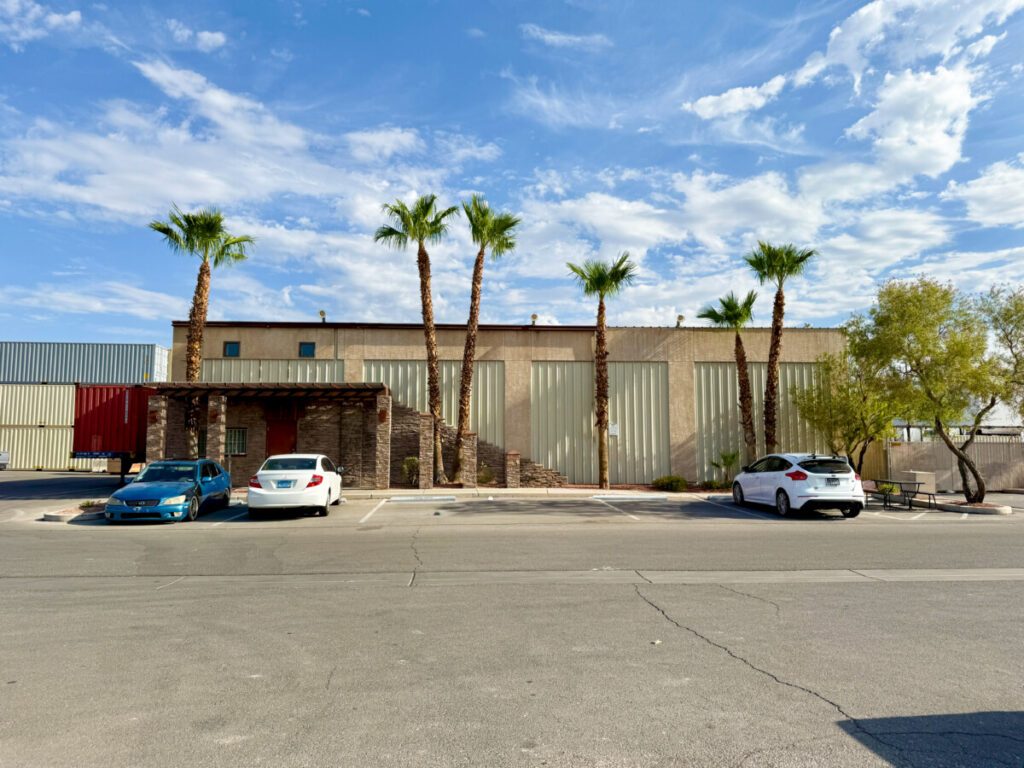
Property Feature: 1220 Rockpebble Ave is a rare industrial space that includes office, warehouse and yard space.
Retail: Resilient & Selective
Retail space has continued to demonstrate resilience relative to other asset classes. While net absorption has experienced modest fluctuations, vacancy rates nationally remain among the lowest across CRE sectors, and rental rates continue edging upward in many markets. Source
In the Las Vegas region, retail fundamentals have shown balanced demand and rising rents, especially in lifestyle centers and high-traffic corridors, a trend that is expected to continue into early 2026. Source
Key retail trends include:
- Demand for experiential and mixed-use retail formats
- Strength in grocery-anchored centers
- Tenant interest in urban versus suburban hybrid spaces
Multifamily: Tight Markets & Consistent Demand
Multifamily continues to demonstrate strong demand fundamentals, with vacancy rates holding relatively low and occupancy supported by steady population growth and rental preferences amid ongoing homeownership affordability challenges. Source
Slower new supply deliveries in 2026 could tighten vacancy and support rent growth, creating opportunities for investors seeking stabilized assets or value-add plays.
Vacancy & Demand Trends: National Signals to Note
Despite signs of stabilization, broader data signal that the national vacancy picture isn’t uniformly rosy:
- Moody’s forecasts that commercial vacancy rates may peak in 2026, driven in part by lingering office overhangs and changing workplace utilization trends. Source
- Office vacancy in certain metros continues to outpace national averages, underscoring divergent regional dynamics and submarket-specific risk profiles. Source
For CRE leaders, this means precision in market selection and quality differentiation will continue to be essential.
Capital Markets & Financing
One of the most meaningful themes shaping Q1 2026 is the evolving capital markets environment. After years of capital constraints, recent data point to:
- Improving debt availability
- Increased lender confidence
- A return of institutional buyers to the sales market
These shifts may ease refinancing pressure and unlock new transaction volume — particularly for core and core-plus assets — as financing costs moderate and liquidity improves.
Investors and developers should watch:
- Changing interest rate expectations (especially if the Federal Reserve moves toward lower policy rates)
- Lending criteria shifts for office and retail versus industrial and multifamily
- The role of CMBS and alternative lending sources in fueling deal flow
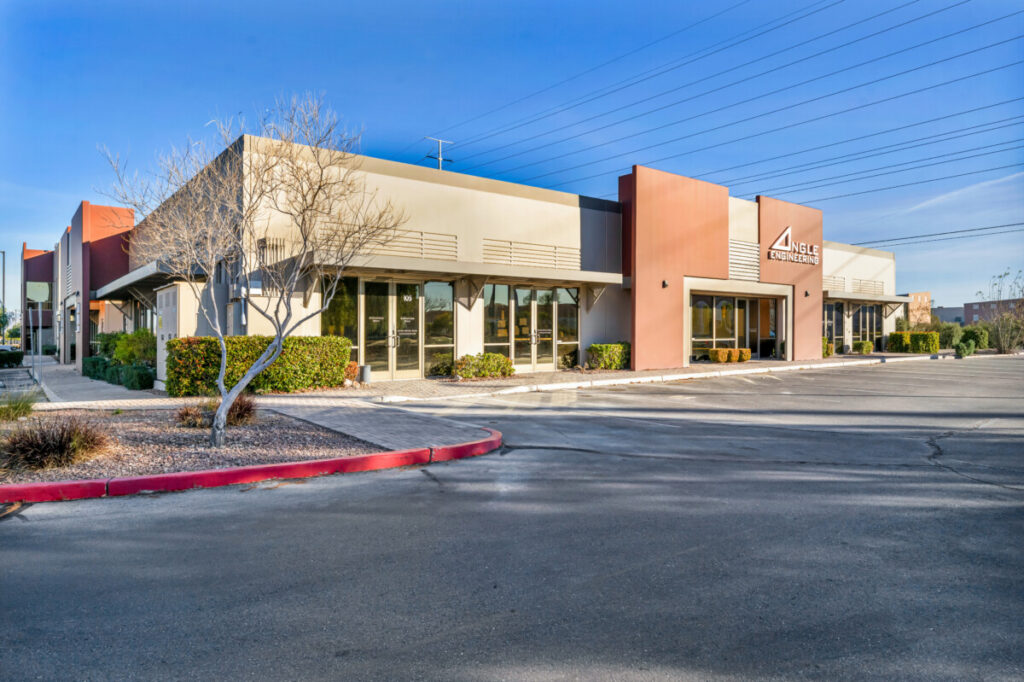
Property Feature: 5995 S Edmond St offers an opportunity for investors looking for a property with strong occupancy history.
What CRE Leaders Should Watch in Q1 2026
As the market evolves, here are key areas of strategic focus for the quarter:
- Tenant preferences continue to evolve. Expect demand for flexible, amenity-rich and tech-enabled spaces to outperform.
- Submarkets with favorable demographics will attract premium pricing and leasing activity.
- Office repositioning — including adaptive reuse — will remain a major theme.
- Capital availability will broaden opportunities for well-capitalized buyers.
- Leasing fundamentals in industrial and multifamily will be a core driver of portfolio performance.
Final Thoughts
2026 presents a compelling mix of renewed confidence and ongoing structural adjustments across commercial real estate. For CRE leaders, success in Q1 hinges on balancing macro trends with local fundamentals, differentiating quality assets, and maintaining discipline in capital deployment.
By keeping a close eye on demand shifts, vacancy trends, and evolving financing landscapes, investors and operators can position themselves to capture the opportunities that lie ahead.
Have questions or need tailored commercial real estate guidance? Contact The Barashy Group to discuss your goals and opportunities in 2026.